
Genuine Ford & Lincoln OEM Spark Plugs
Genuine Ford & Lincoln OEM Spark Plugs
Keep Your Engine Running at Peak Performance
Spark plugs are essential to your engine's performance, fuel efficiency, and reliability. Every time you turn the key, your spark plugs ignite the air-fuel mixture that powers your vehicle. Genuine Ford and Motorcraft® spark plugs are engineered specifically for Ford and Lincoln engines, delivering the precise ignition performance your vehicle was designed to have.
At RFD Auto Parts, we stock over 200,000 Genuine Ford, Lincoln, and Motorcraft OEM parts, making it easy to find the exact spark plugs your vehicle requires. Whether you drive an F-150, Super Duty, Bronco, Explorer, Escape, Ranger, Maverick, Mustang, Transit, or any Lincoln model, our experienced OEM parts specialists are here to help you find the correct part the first time.
Why Choose Genuine Ford & Motorcraft Spark Plugs?
Unlike many aftermarket spark plugs, Genuine Ford and Motorcraft spark plugs are engineered to match your engine's exact combustion requirements.
Benefits of Genuine OEM Spark Plugs
✔ Engineered specifically for Ford & Lincoln engines
✔ Reliable cold starts
✔ Consistent ignition performance
✔ Improved fuel efficiency
✔ Smooth engine operation
✔ Reduced engine misfires
✔ Exact factory fit
✔ Designed for long service life
✔ Built to Ford quality standards
Signs Your Spark Plugs May Need Replacement
As spark plugs wear, engine performance can gradually decline.
Common symptoms include:
- Hard starting
- Rough idle
- Engine misfires
- Reduced fuel economy
- Sluggish acceleration
- Check Engine Light
- Loss of engine performance
Replacing worn spark plugs at the recommended interval helps maintain engine efficiency and performance.
Why Genuine Spark Plugs Matter
Modern Ford and Lincoln engines are carefully calibrated for specific spark plug designs, heat ranges, and electrode materials. Installing Genuine Motorcraft spark plugs helps maintain proper combustion, protects engine performance, and supports the fuel economy your vehicle was engineered to deliver.
Why Buy Your Spark Plugs from RFD Auto Parts?
When you purchase from RFD Auto Parts, you're buying directly from experienced Ford OEM parts professionals.
The RFD Auto Parts Advantage
✔ Over 200,000 Genuine OEM Parts
✔ Genuine Ford & Motorcraft products
✔ Fast nationwide shipping
✔ Expert VIN verification available
✔ Competitive OEM pricing
✔ Experienced Ford & Lincoln parts specialists
✔ Trusted dealership experience since 1960
Our mission is simple:
Provide the right Genuine Ford part the first time—every time.
Complete Your Tune-Up
Customers replacing spark plugs often also purchase:
- Genuine Motorcraft Engine Air Filter
- Genuine Motorcraft Oil Filter
- Cabin Air Filter
- Ignition Coils
- PCV Valve (where applicable)
Completing related maintenance together helps maximize engine performance and reliability.
Frequently Asked Questions
How often should spark plugs be replaced?
Replacement intervals vary by engine and spark plug type. Always follow the maintenance schedule in your Ford or Lincoln Owner's Manual.
Are Motorcraft spark plugs Genuine OEM parts?
Yes. Motorcraft is Ford Motor Company's official parts brand and supplies Genuine OEM spark plugs engineered specifically for Ford and Lincoln vehicles.
Can worn spark plugs affect fuel economy?
Yes. Worn spark plugs can reduce combustion efficiency, leading to poor fuel economy, rough running, and decreased performance.
How do I know which spark plugs fit my vehicle?
Enter your VIN or select your vehicle on our website. Our experienced OEM parts specialists can also verify the correct spark plugs before you place your order.
Shop Genuine Ford & Lincoln OEM Spark Plugs
Whether you're completing scheduled maintenance or restoring lost engine performance, RFD Auto Parts has the Genuine Ford and Motorcraft spark plugs your vehicle was designed to use.
Browse our complete selection today and experience the confidence that comes from installing factory-engineered parts backed by Ford quality standards.
Why Customers Choose RFD Auto Parts
✔ Over 200,000 Genuine OEM Parts
✔ Fast Nationwide Shipping
✔ Expert VIN Verification
✔ Genuine Ford & Lincoln Specialists
✔ Trusted OEM Parts Source Since 1960

Motorcraft Spark Plug

Motorcraft Spark Plug

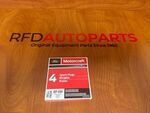
Spark Plug


Motorcraft Spark Plug


Motorcraft Spark Plug


Motorcraft Spark Plug
No results found for "spark plugs, Motorcraft spark plug, Ford spark plugs, ignition plugs, OEM spark plugs". Here are some helpful search tips:
- Search by a part name. Example: water pump.
- Be less specific. Example: brake instead of ceramic brake.
- Remove information such as make, year or model.
- Can't find the part you are looking for? Contact us and we'll find it for you!