
Comparing Costs: OEM vs Aftermarket Auto Parts
Mar 20, 2024 2:18:54 PM
When it comes to auto parts, deciding between OEM and aftermarket options can be a tough choice. This blog post will dive into the costs associated with both to help you make an informed decision.
Understanding OEM Auto Parts
OEM auto parts, which stands for Original Equipment Manufacturer, are car and truck parts that are made by the same manufacturer who produced the original parts for the vehicle. These parts are designed to be an exact fit and provide better quality compared to aftermarket parts. Understanding the benefits of OEM auto parts can help you make a more informed decision when it comes to choosing the right parts for your vehicle.
One of the main advantages of OEM auto parts is their exact fit. Since they are made by the original manufacturer, you can be confident that they will fit your vehicle perfectly. This ensures proper functionality and minimizes the risk of compatibility issues that can arise with aftermarket parts.
Another benefit of OEM auto parts is their superior quality. OEM parts are made to meet the same standards and specifications as the original parts installed in your vehicle. This means that they are built to last and perform optimally. With OEM parts, you can expect a higher level of reliability and durability compared to aftermarket alternatives.
While OEM auto parts may seem more expensive upfront, they can actually be cost-effective in the long run. Since they are designed to be an exact fit and offer better quality, they are less likely to fail or cause issues. This means that you won't have to spend additional money and time on repairs or replacements in the future. Additionally, OEM parts often come with a warranty, providing further peace of mind.
In conclusion, understanding OEM auto parts is essential when making a decision between OEM and aftermarket options. OEM parts offer an exact fit, better quality, and long-term cost savings. If you value reliability and durability, investing in OEM auto parts is a wise choice for your vehicle.
Exploring Aftermarket Auto Parts
Aftermarket auto parts are car and truck parts that are manufactured by companies other than the original equipment manufacturer. These parts are designed to be compatible with a wide range of vehicles and are often marketed as more affordable alternatives to OEM parts. While aftermarket parts can offer some benefits, it's important to explore their characteristics and considerations before making a decision.
One advantage of aftermarket auto parts is their availability. Since they are produced by various manufacturers, you can easily find aftermarket parts for almost any make and model of vehicle. This can be beneficial if you have an older or less common vehicle, as OEM parts may be harder to come by.
Cost is another factor that makes aftermarket auto parts appealing to some vehicle owners. In general, aftermarket parts tend to be cheaper than OEM parts. This can be a significant advantage if you're on a tight budget or looking to save money on repairs or maintenance.
However, it's important to note that the lower cost of aftermarket parts can sometimes come at the expense of quality. While there are reputable aftermarket manufacturers that produce high-quality parts, there are also lower-quality options available in the market. This means that you need to be cautious and do thorough research before purchasing aftermarket parts to ensure that you're getting a reliable and durable product.
Furthermore, aftermarket parts may not always provide an exact fit like OEM parts. Since they are designed to be compatible with a wide range of vehicles, there is a higher risk of compatibility issues. This can lead to problems with installation, functionality, or even safety. It's crucial to carefully check the specifications and compatibility of aftermarket parts before making a purchase.
To summarize, exploring aftermarket auto parts can be beneficial in terms of availability and cost. However, it's important to consider the potential trade-offs in terms of quality and fit. Conducting thorough research and purchasing from reputable manufacturers can help mitigate these risks.
Factors Impacting Cost
When comparing the costs of OEM and aftermarket auto parts, there are several factors that can influence the price difference between the two options:
1. Brand Reputation: OEM parts are typically associated with well-known brands and manufacturers, which can contribute to their higher price. Aftermarket parts, on the other hand, may vary in terms of brand reputation, leading to a wider range of prices.
2. Manufacturing Process: OEM parts are made using the same manufacturing process as the original parts, ensuring high quality and precision. Aftermarket parts may be manufactured using different processes, which can affect their cost.
3. R&D and Testing: OEM parts undergo extensive research, development, and testing to meet specific standards and specifications. This investment in R&D and testing can contribute to the higher cost of OEM parts compared to aftermarket alternatives.
4. Warranty: OEM parts often come with a warranty, providing additional value and peace of mind. Aftermarket parts may or may not come with a warranty, depending on the manufacturer and seller.
5. Market Competition: The market for aftermarket parts is highly competitive, with multiple manufacturers offering similar products. This competition can lead to lower prices for aftermarket parts compared to OEM parts.
It's important to consider these factors when comparing the costs of OEM and aftermarket auto parts. While OEM parts may have a higher upfront cost, they can offer long-term cost savings due to their better quality and durability.
Cost Comparison: OEM vs Aftermarket
When comparing the costs of OEM and aftermarket auto parts, it's important to consider both the upfront cost and the potential long-term cost implications.
Upfront Cost: In general, OEM parts tend to be more expensive upfront compared to aftermarket parts. This is mainly due to the higher quality and brand reputation associated with OEM parts. If you're looking for a quick and affordable fix, aftermarket parts may be a more appealing option.
Long-Term Cost: While aftermarket parts may have a lower upfront cost, they can potentially lead to higher long-term costs. Lower-quality aftermarket parts may fail or wear out more quickly, requiring more frequent repairs or replacements. This can result in additional expenses over time. On the other hand, OEM parts are designed to last longer and provide better performance, reducing the need for future repairs or replacements.
It's also worth noting that OEM parts often come with a warranty, which can provide additional value. This warranty can help cover the costs of any potential defects or issues with the parts, offering further peace of mind.
Ultimately, the cost comparison between OEM and aftermarket auto parts depends on your specific needs and priorities. If you value quality, durability, and long-term cost savings, investing in OEM parts may be the better choice. However, if upfront affordability is your main concern and you're willing to accept potential trade-offs in terms of quality and longevity, aftermarket parts can be a viable option.
To make an informed decision, it's recommended to compare the prices of OEM and aftermarket parts for your specific vehicle and consider factors such as brand reputation, warranty, and long-term cost implications.
Making the Right Choice
Choosing between OEM and aftermarket auto parts ultimately depends on your specific requirements, preferences, and budget. Here are some key points to consider when making the right choice for you:
1. Vehicle Warranty: If your vehicle is still under warranty, using OEM parts may be necessary to maintain the warranty coverage. Some manufacturers specify that only OEM parts should be used for repairs and replacements.
2. Vehicle Age and Value: For older vehicles or those with lower market value, aftermarket parts can be a more cost-effective option. However, if you have a newer or high-value vehicle, investing in OEM parts can help maintain its performance, reliability, and resale value.
3. Quality and Durability: If you prioritize quality and long-term reliability, OEM parts are generally the better choice. They are designed to meet the same standards and specifications as the original parts, ensuring a higher level of quality and durability compared to aftermarket alternatives.
4. Compatibility and Fit: OEM parts offer an exact fit for your vehicle, minimizing the risk of compatibility issues that can arise with aftermarket parts. If you're concerned about proper fit and functionality, OEM parts are the safer option.
5. Budget and Affordability: If you're on a tight budget or looking for a more affordable option, aftermarket parts can be a viable choice. However, it's important to consider the potential trade-offs in terms of quality, durability, and long-term costs.
By considering these factors and weighing your priorities, you can make an informed decision on whether to choose OEM or aftermarket auto parts for your vehicle. It's recommended to consult with a trusted mechanic or automotive professional for personalized advice based on your specific situation.
Written By: Bryan Smith
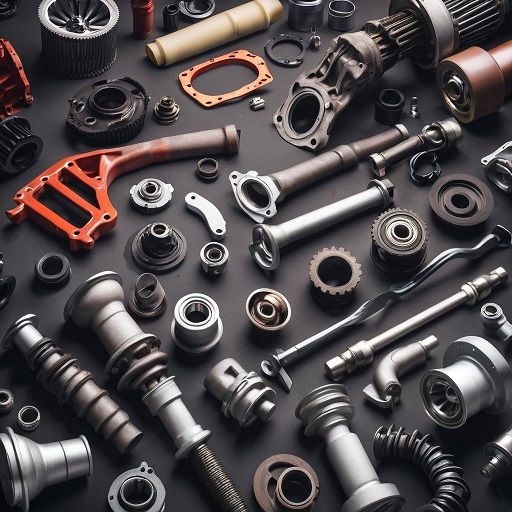 OEM vs Aftermarket